 Image 1 of 5
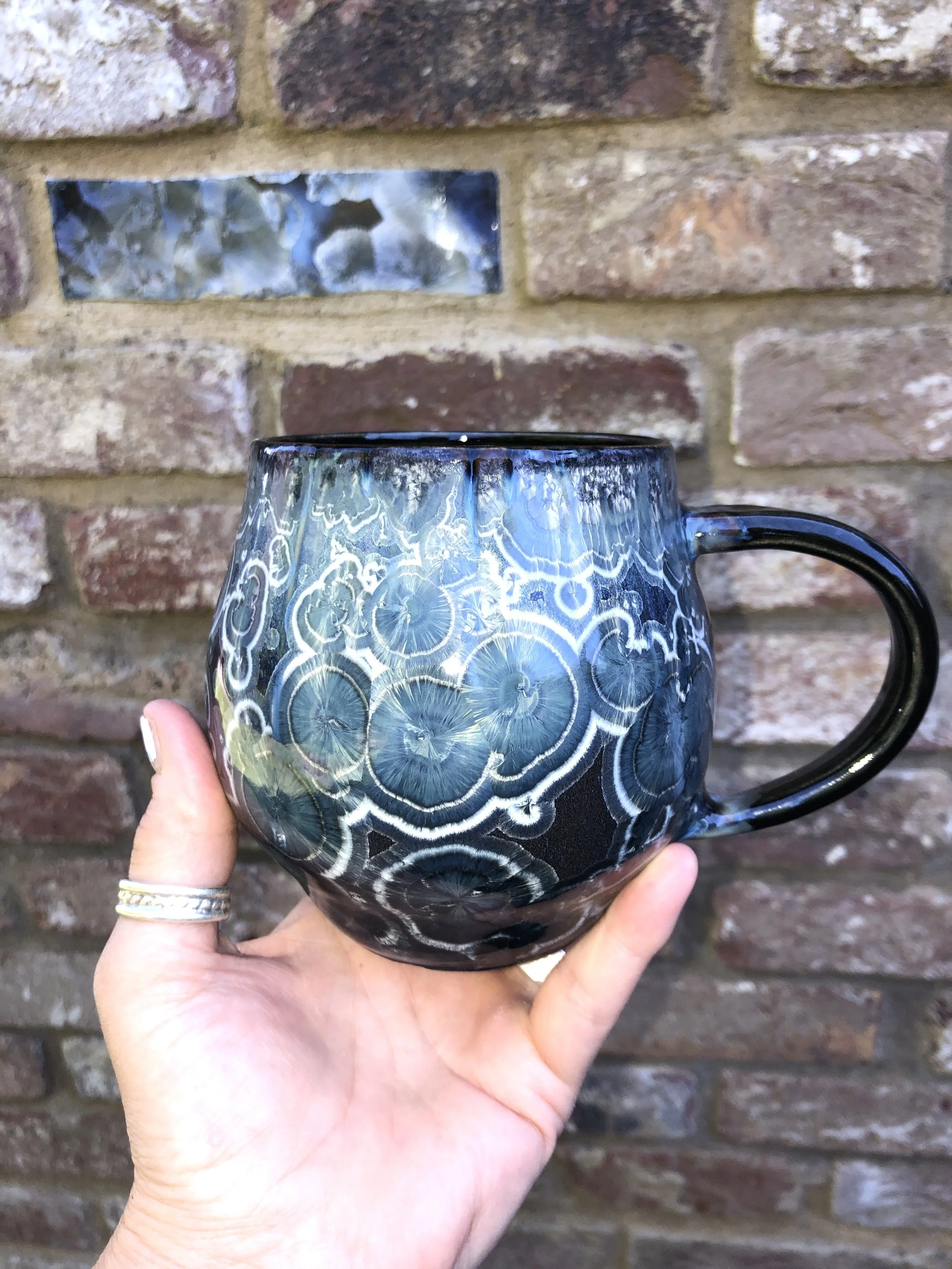 Image 2 of 5
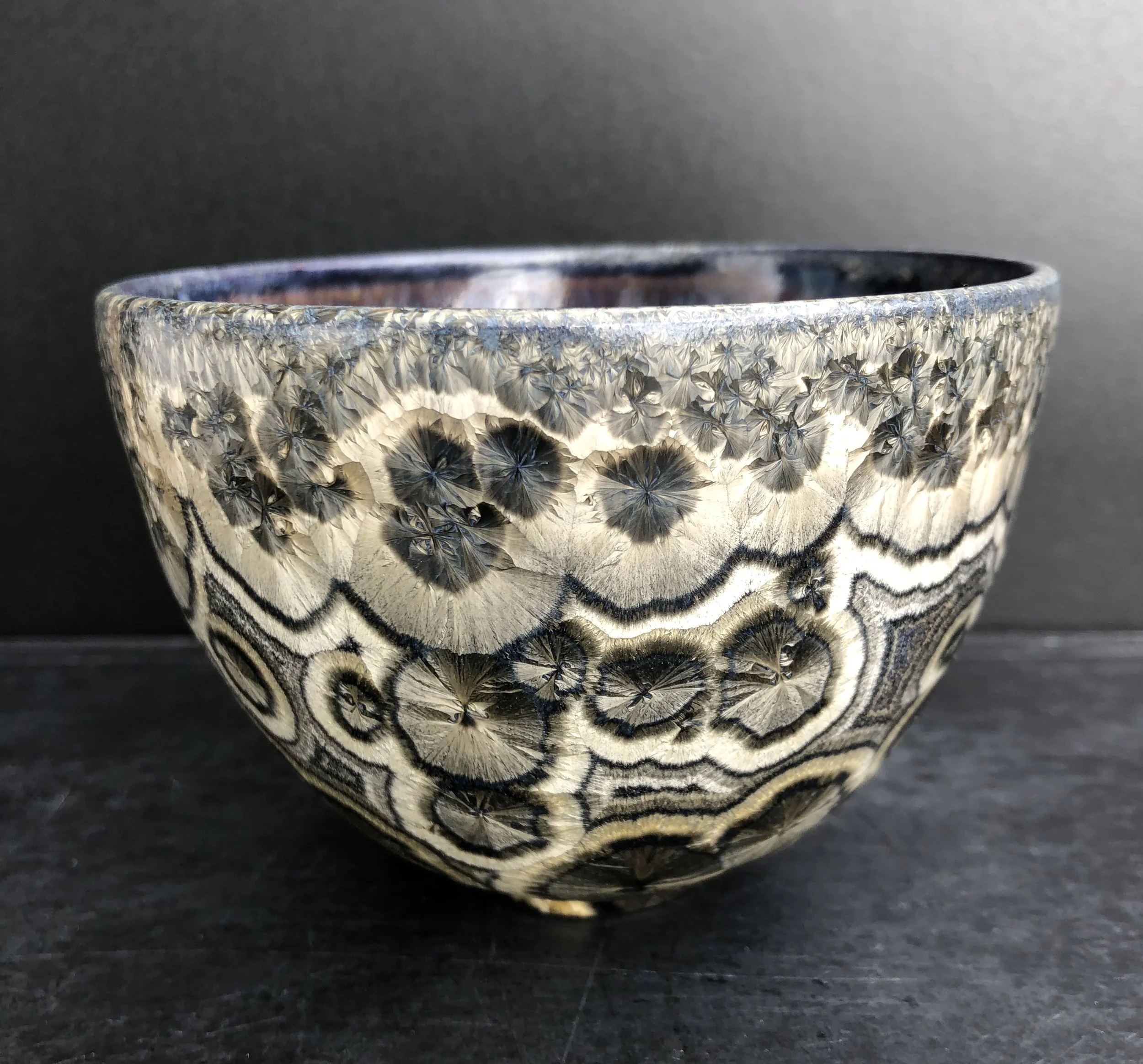 Image 3 of 5
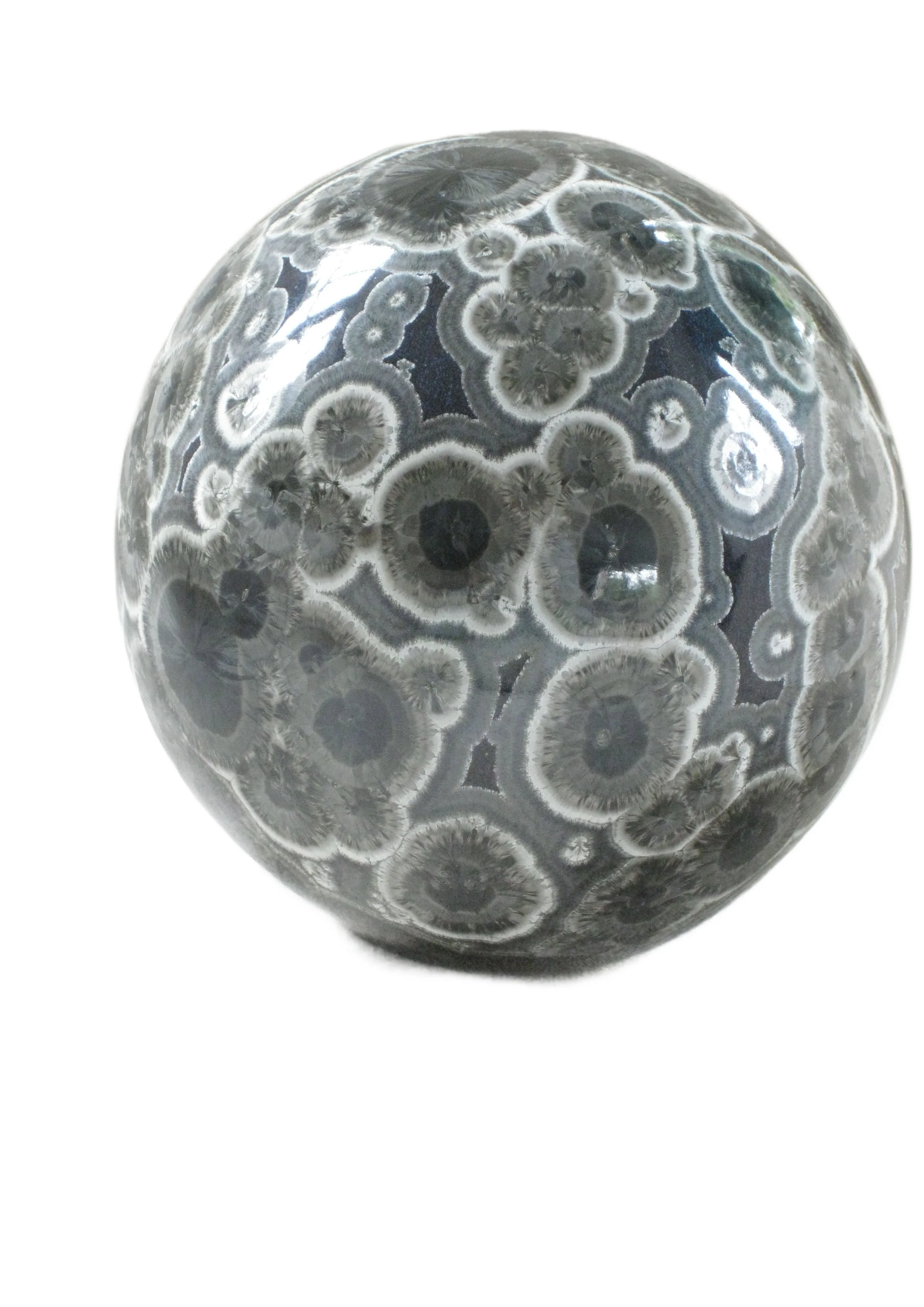 Image 4 of 5
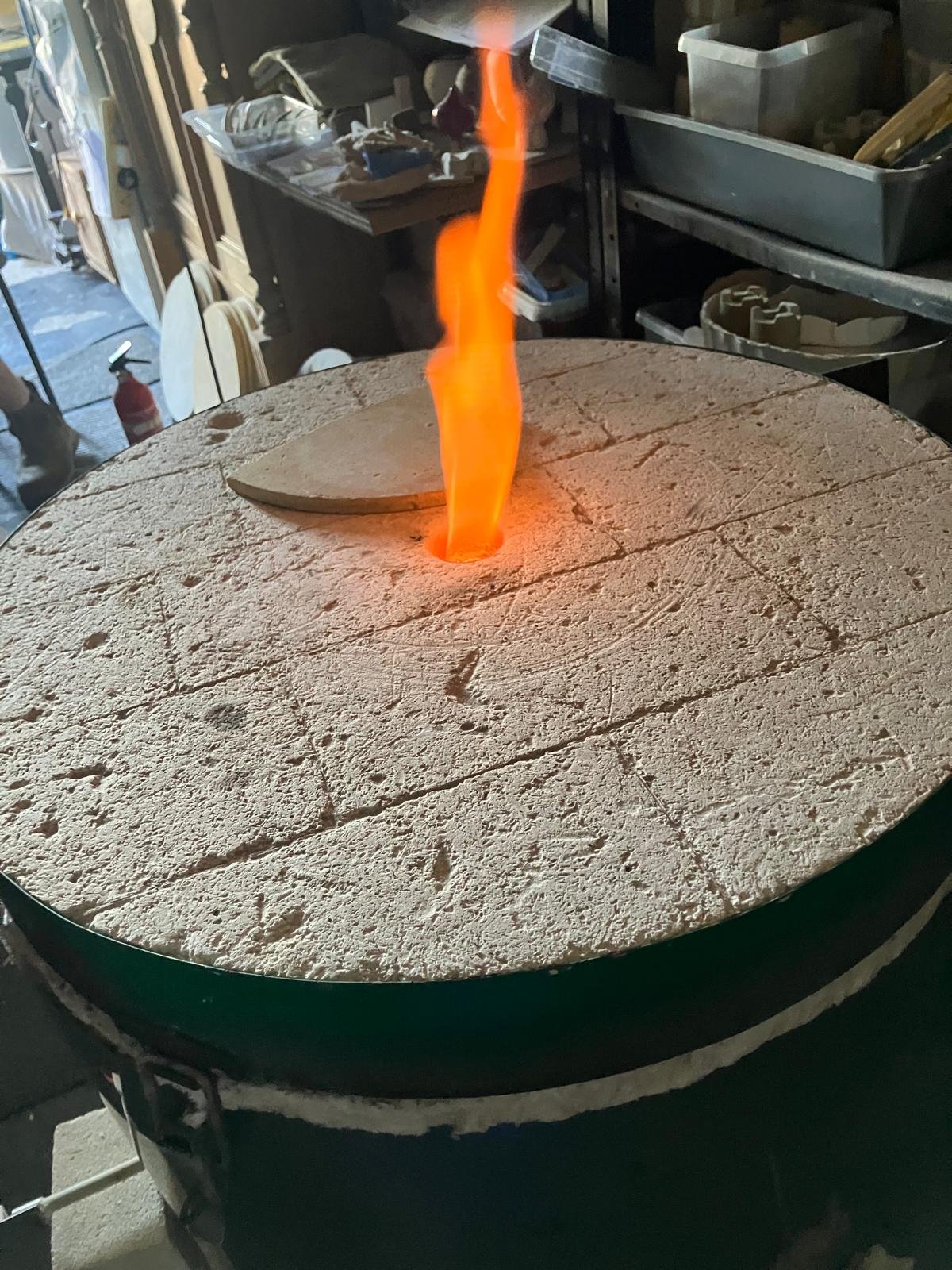 Image 5 of 5
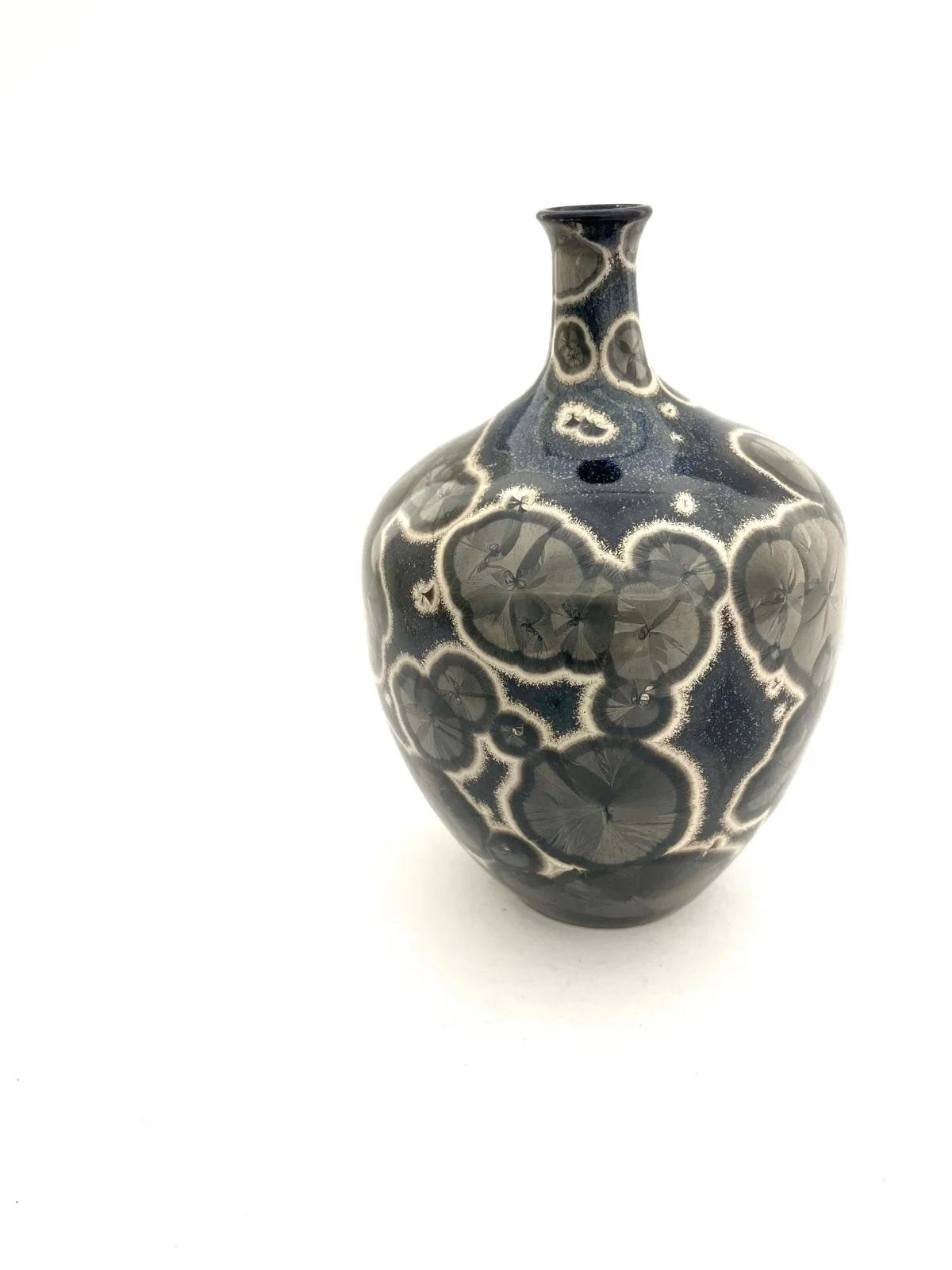
As a featured crystalline artist in Diane Creber’s new book, ‘Exploring Crystalline Glazes’, to be released May 2026 in the UK, followed later in the USA, Canada, Australia and India, I share my Twilight crystalline glaze recipe. However, it is not clear which picture of mine contains Twilight. The images included with this ‘product’ are all pieces I fired using Twilight.
Below is my Twilight recipe found in the book free for you.
To achieve the black or near black backgrounds, I add alcohol to my electric kiln at high temperatures to create a reduction atmosphere during the final stages of the initial crystal growing firing. All the pottery pieces shown here and in the new book were reduced in the initial glaze firing, somewhere between 1111c and 1046c, rather than post-fire reduced (PFR) in an additional firing at high temperatures as stated in ‘Exploring Crystalline Glazes’. (These should be corrected in the next edition.)
Frit 644 - 21
Frit 3110 - 21
Frit 15.10 - 5.61 (from Keramikos NL)
ZnO2 - 24
SiO2 - 18
Bentonite - 1.94
Rutile - 5.09
Ilmenite Powder - 2.65
H20 - 65g
CMC (Food Grade) 0.37 - 0.55
As a featured crystalline artist in Diane Creber’s new book, ‘Exploring Crystalline Glazes’, to be released May 2026 in the UK, followed later in the USA, Canada, Australia and India, I share my Twilight crystalline glaze recipe. However, it is not clear which picture of mine contains Twilight. The images included with this ‘product’ are all pieces I fired using Twilight.
Below is my Twilight recipe found in the book free for you.
To achieve the black or near black backgrounds, I add alcohol to my electric kiln at high temperatures to create a reduction atmosphere during the final stages of the initial crystal growing firing. All the pottery pieces shown here and in the new book were reduced in the initial glaze firing, somewhere between 1111c and 1046c, rather than post-fire reduced (PFR) in an additional firing at high temperatures as stated in ‘Exploring Crystalline Glazes’. (These should be corrected in the next edition.)
Frit 644 - 21
Frit 3110 - 21
Frit 15.10 - 5.61 (from Keramikos NL)
ZnO2 - 24
SiO2 - 18
Bentonite - 1.94
Rutile - 5.09
Ilmenite Powder - 2.65
H20 - 65g
CMC (Food Grade) 0.37 - 0.55