Reduction is a magical ingredient, capable of transforming a boring glaze into something very extraordinary. The colours you can achieve are impossible to beat, offering the entire colour spectrum. From the most delicate pastels to the boldest blacks and dramatic copper reds, through to the almost incomprehensible metallic mirrors of in-glaze lustres. Even simple washes, containing bismuth or silver, can become something incredibly fabulous in reduction.
This PDF is my complete—no secrets-held-back—step-by-step ‘how to’ guide, explaining how to create a clean, consistent and safe reduction atmosphere in an electric kiln using alcohol. I have included everything you need to know to do it yourself.
You’ll find detailed information on building the alcohol administration set (including optional setups in case you can’t get what I can in your country), how to modify your kiln (if necessary), how to protect your kiln’s wiring, electronics and elements. Along with specific instructions on how to reduce and at what temperature ranges, both in a crystalline glaze firing or in a post-fire reduction (PFR) or strike firing used for lustres (lusters).
This PDF has my safety procedures, my tips for consistent reduction at various temperatures, plus a collection of crystalline, crystalline lustre, and even in-glaze lustres (lusters) recipes of mine and those of Jose Mariscal, Casey Anderson, Fiona Duckett, Nicola Moore, John Britt, Erik Wilson and more.
Note:
The focus of this PDF is on my electric reduction process, called ‘Mel’ (short for methanol electric reduction). Although it contains wonderful recipes, it does not cover how to create, mix, apply or fire crystalline glazes or lustres. Reduction schedules are included but they are not intended to teach your how to achieve various crystal developments. fI you want to learn crystalline glazing processes, I offer private or semi-private training days in my UK studio in my store.
Reduction is a magical ingredient, capable of transforming a boring glaze into something very extraordinary. The colours you can achieve are impossible to beat, offering the entire colour spectrum. From the most delicate pastels to the boldest blacks and dramatic copper reds, through to the almost incomprehensible metallic mirrors of in-glaze lustres. Even simple washes, containing bismuth or silver, can become something incredibly fabulous in reduction.
This PDF is my complete—no secrets-held-back—step-by-step ‘how to’ guide, explaining how to create a clean, consistent and safe reduction atmosphere in an electric kiln using alcohol. I have included everything you need to know to do it yourself.
You’ll find detailed information on building the alcohol administration set (including optional setups in case you can’t get what I can in your country), how to modify your kiln (if necessary), how to protect your kiln’s wiring, electronics and elements. Along with specific instructions on how to reduce and at what temperature ranges, both in a crystalline glaze firing or in a post-fire reduction (PFR) or strike firing used for lustres (lusters).
This PDF has my safety procedures, my tips for consistent reduction at various temperatures, plus a collection of crystalline, crystalline lustre, and even in-glaze lustres (lusters) recipes of mine and those of Jose Mariscal, Casey Anderson, Fiona Duckett, Nicola Moore, John Britt, Erik Wilson and more.
Note:
The focus of this PDF is on my electric reduction process, called ‘Mel’ (short for methanol electric reduction). Although it contains wonderful recipes, it does not cover how to create, mix, apply or fire crystalline glazes or lustres. Reduction schedules are included but they are not intended to teach your how to achieve various crystal developments. fI you want to learn crystalline glazing processes, I offer private or semi-private training days in my UK studio in my store.
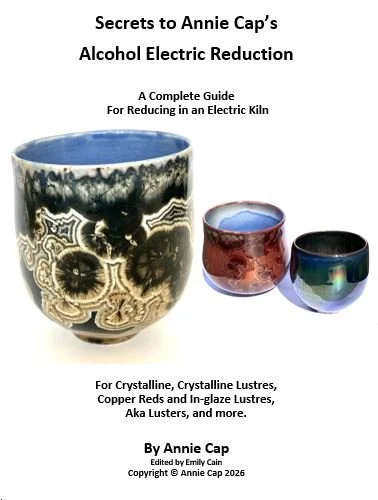 Image 1 of 15
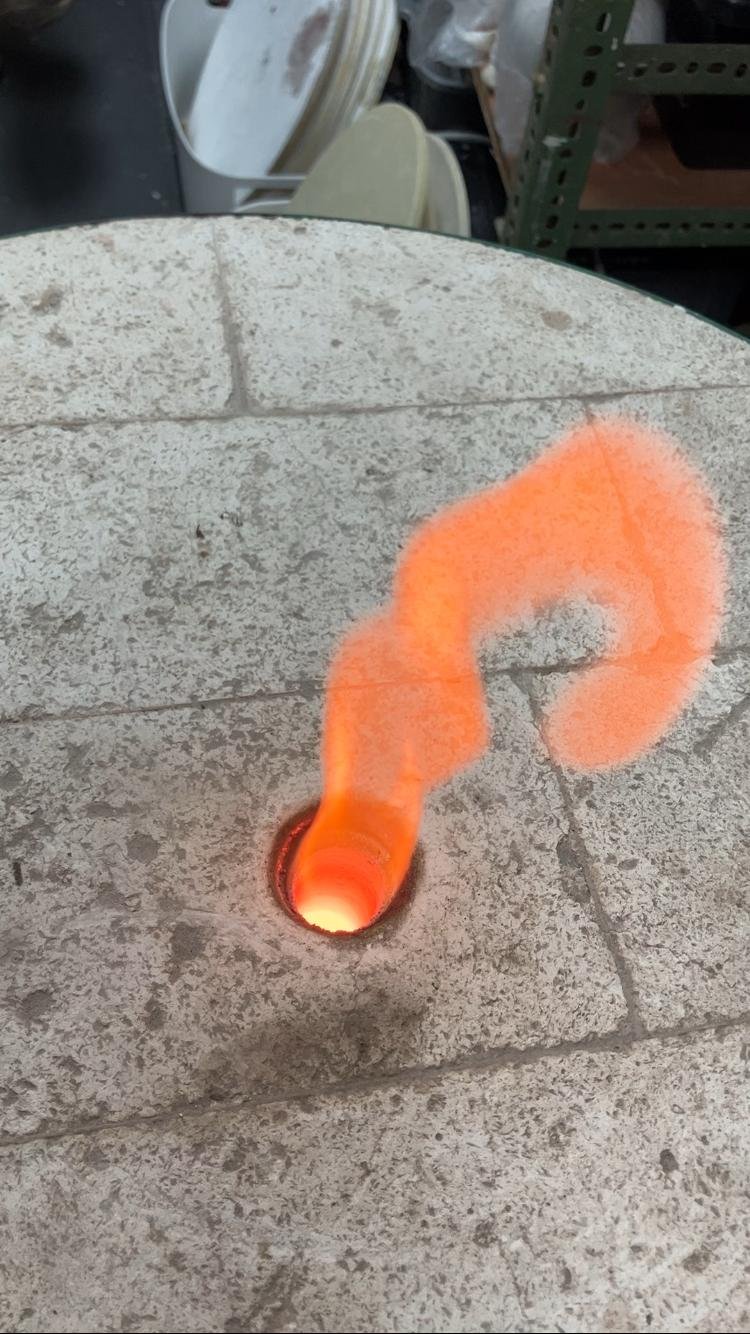 Image 2 of 15
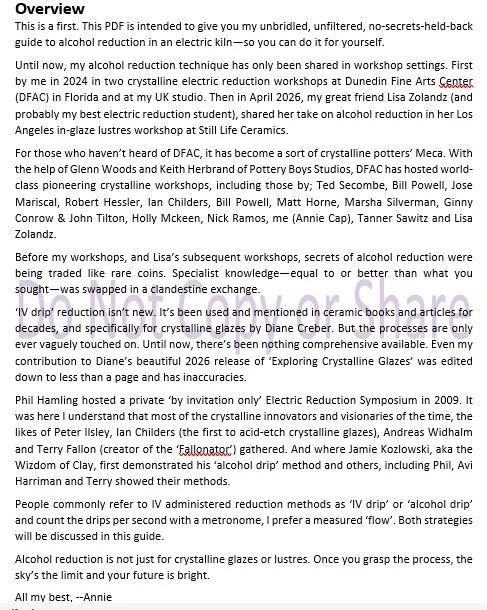 Image 3 of 15
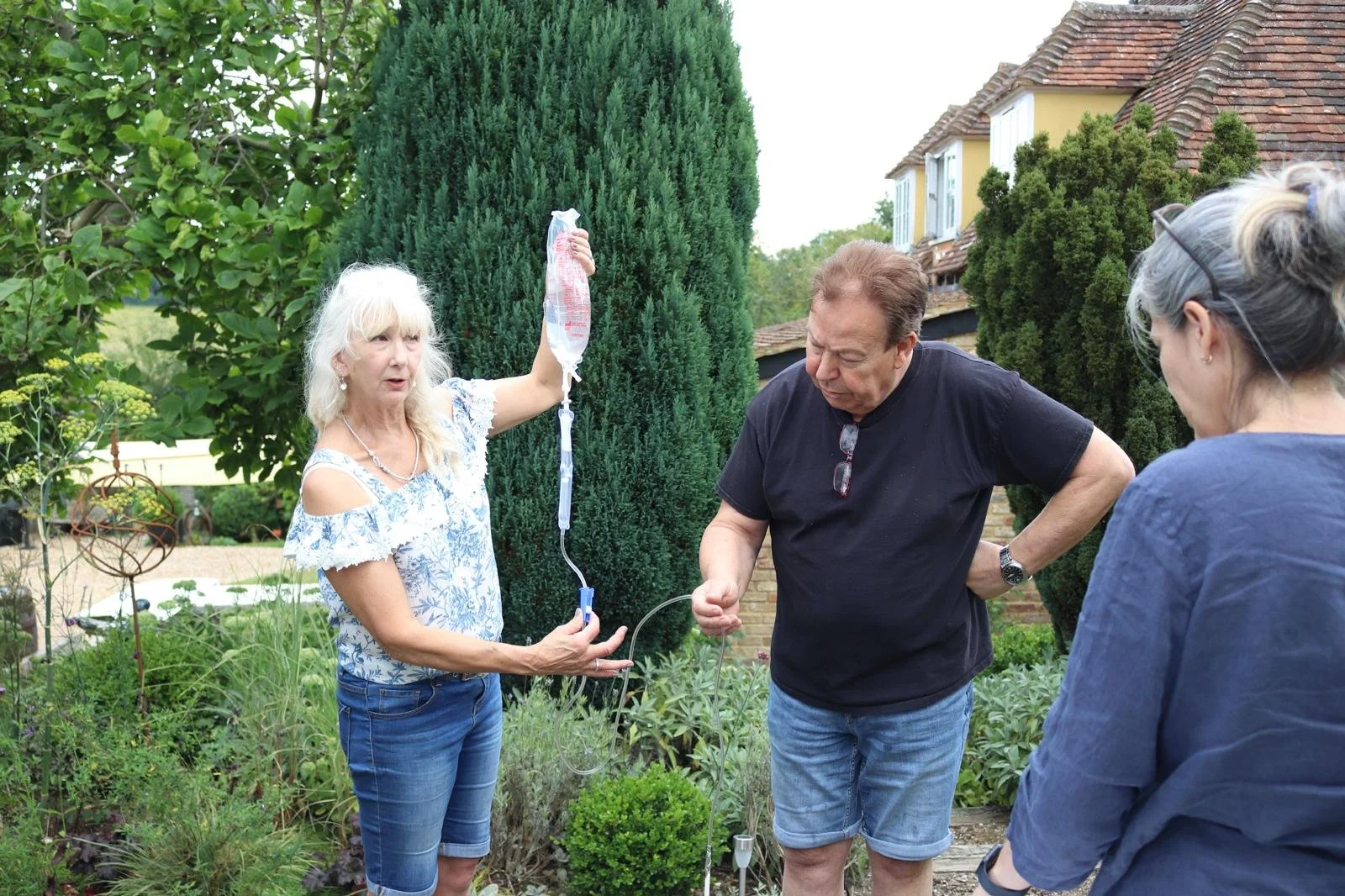 Image 4 of 15
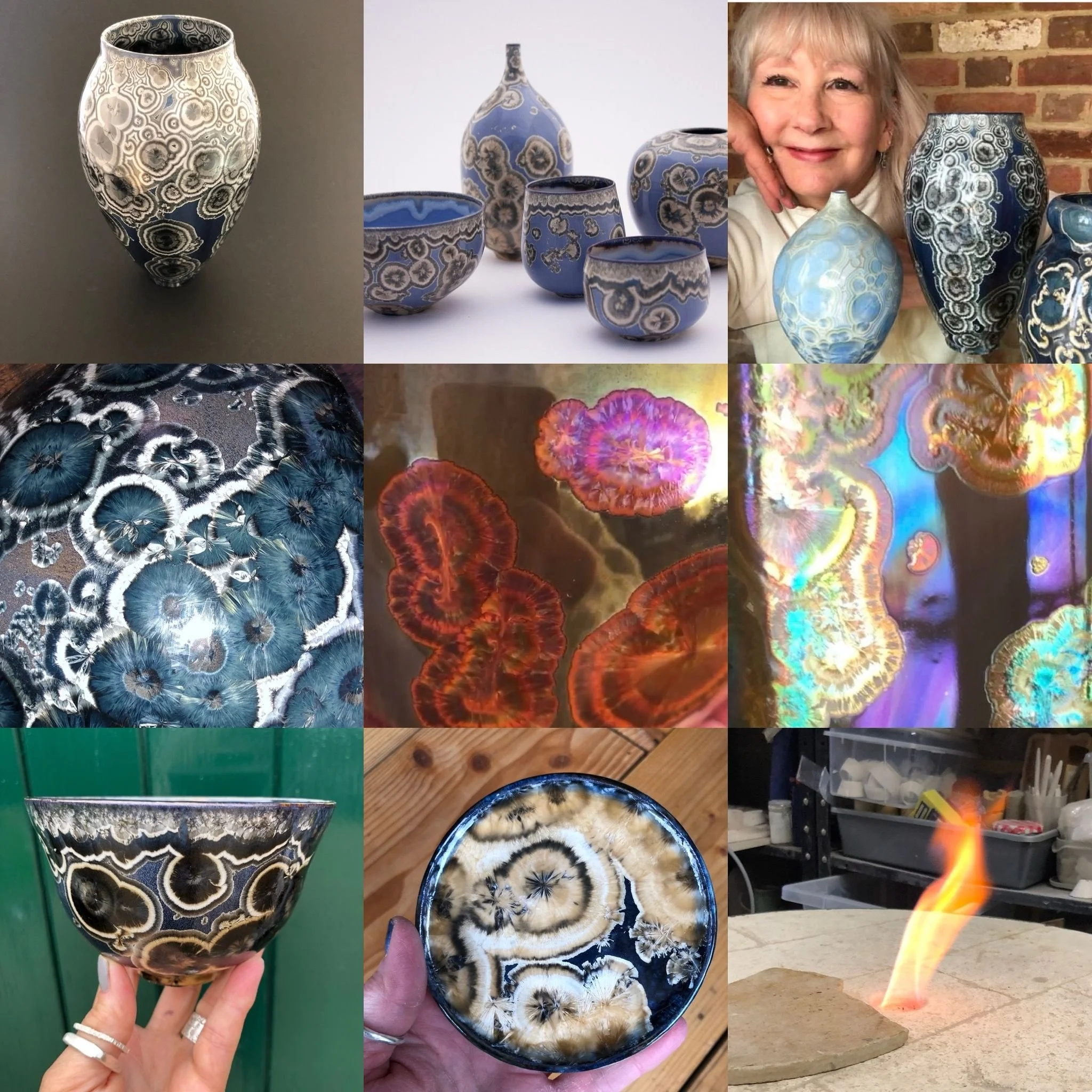 Image 5 of 15
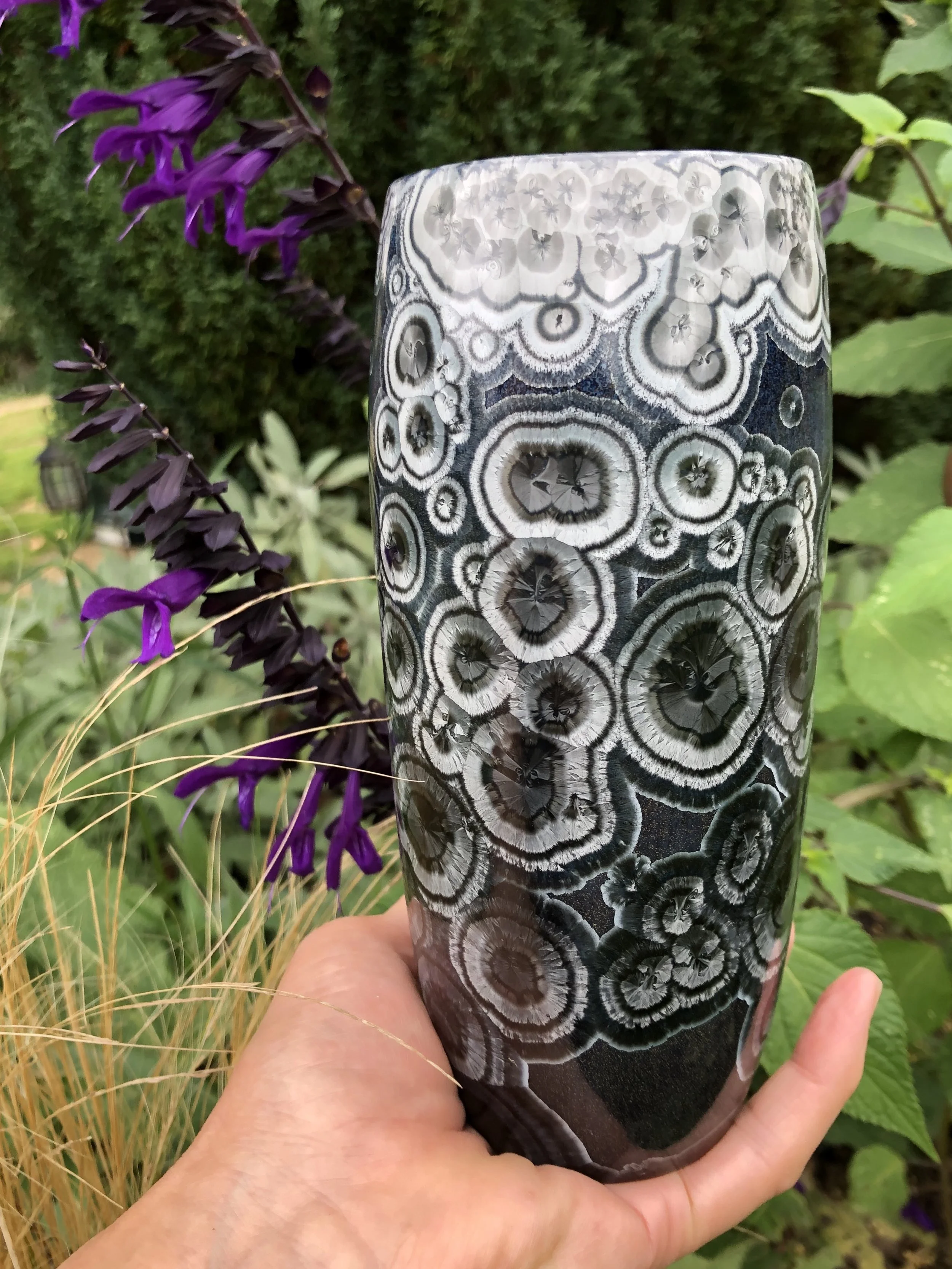 Image 6 of 15
 Image 7 of 15
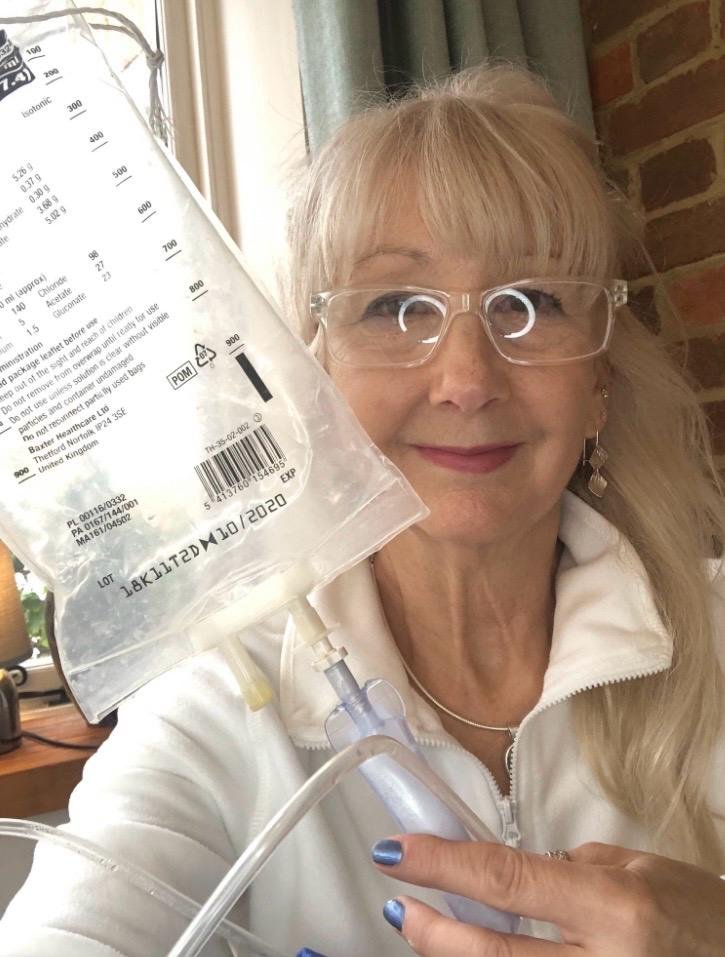 Image 8 of 15
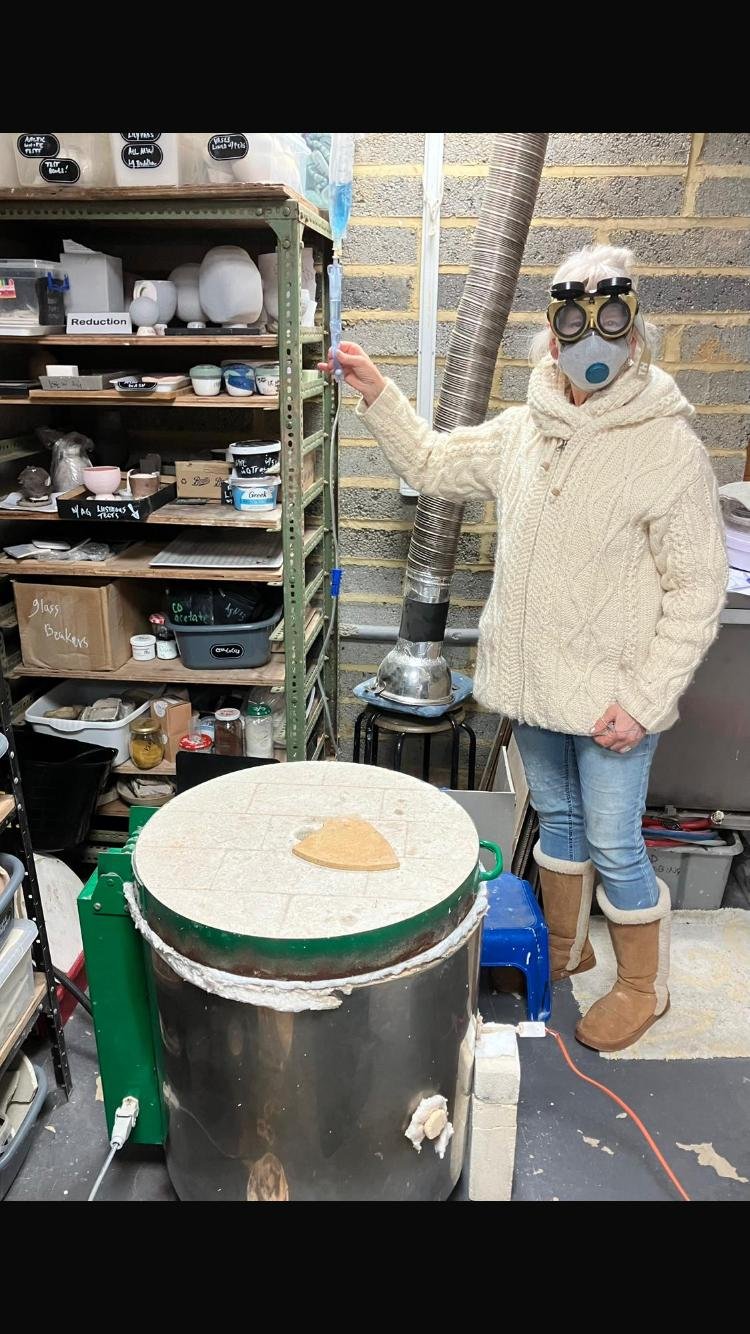 Image 9 of 15
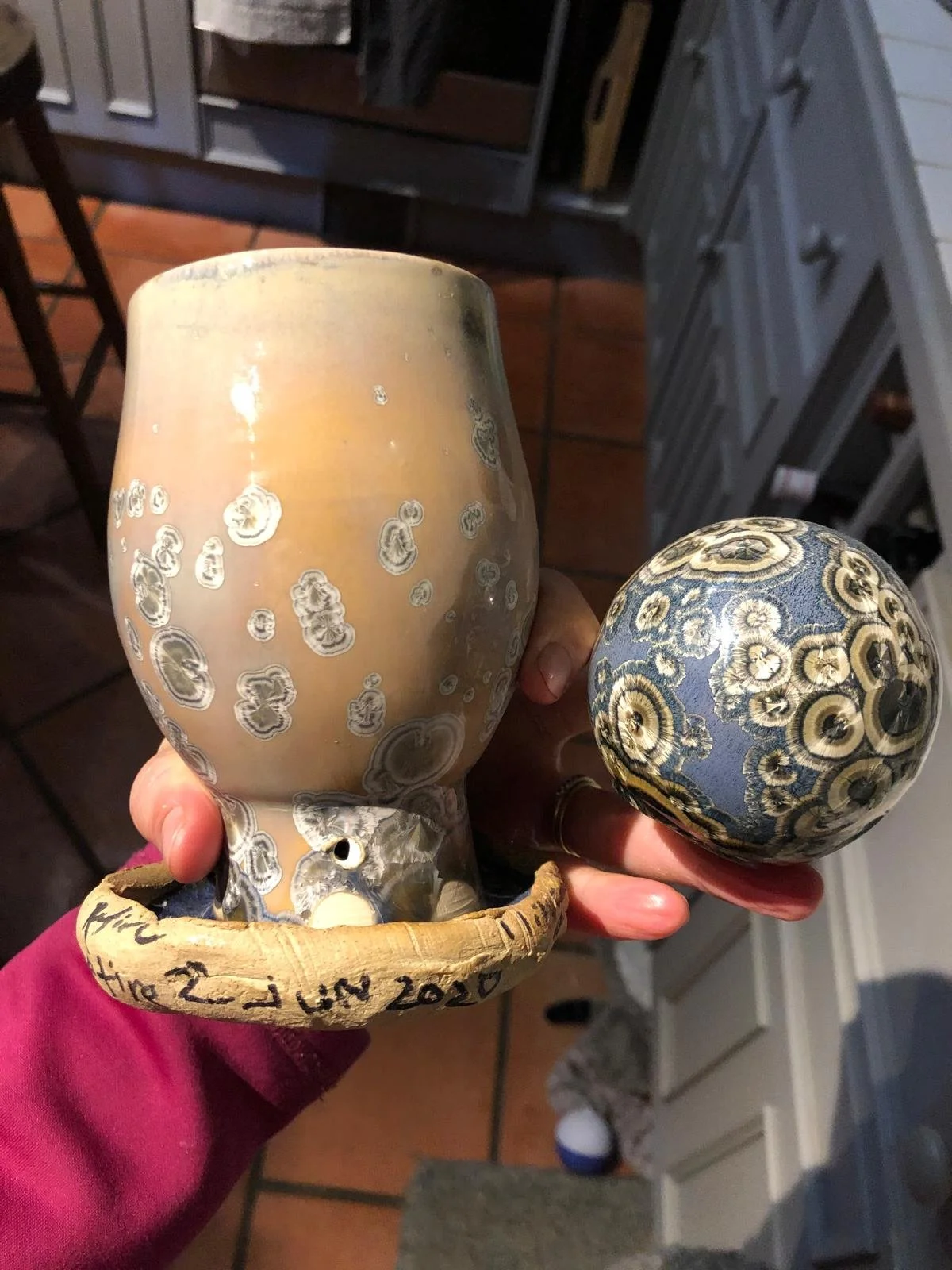 Image 10 of 15
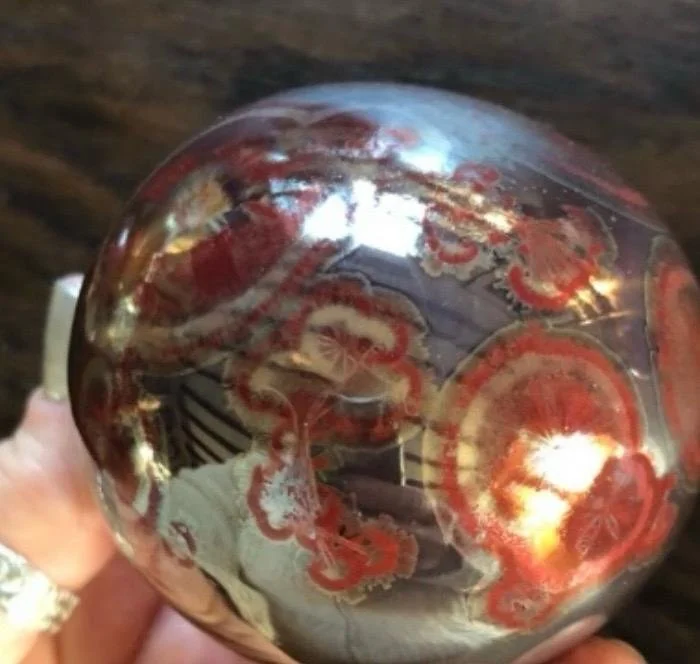 Image 11 of 15
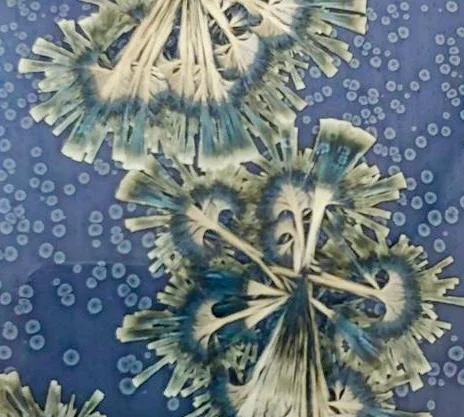 Image 12 of 15
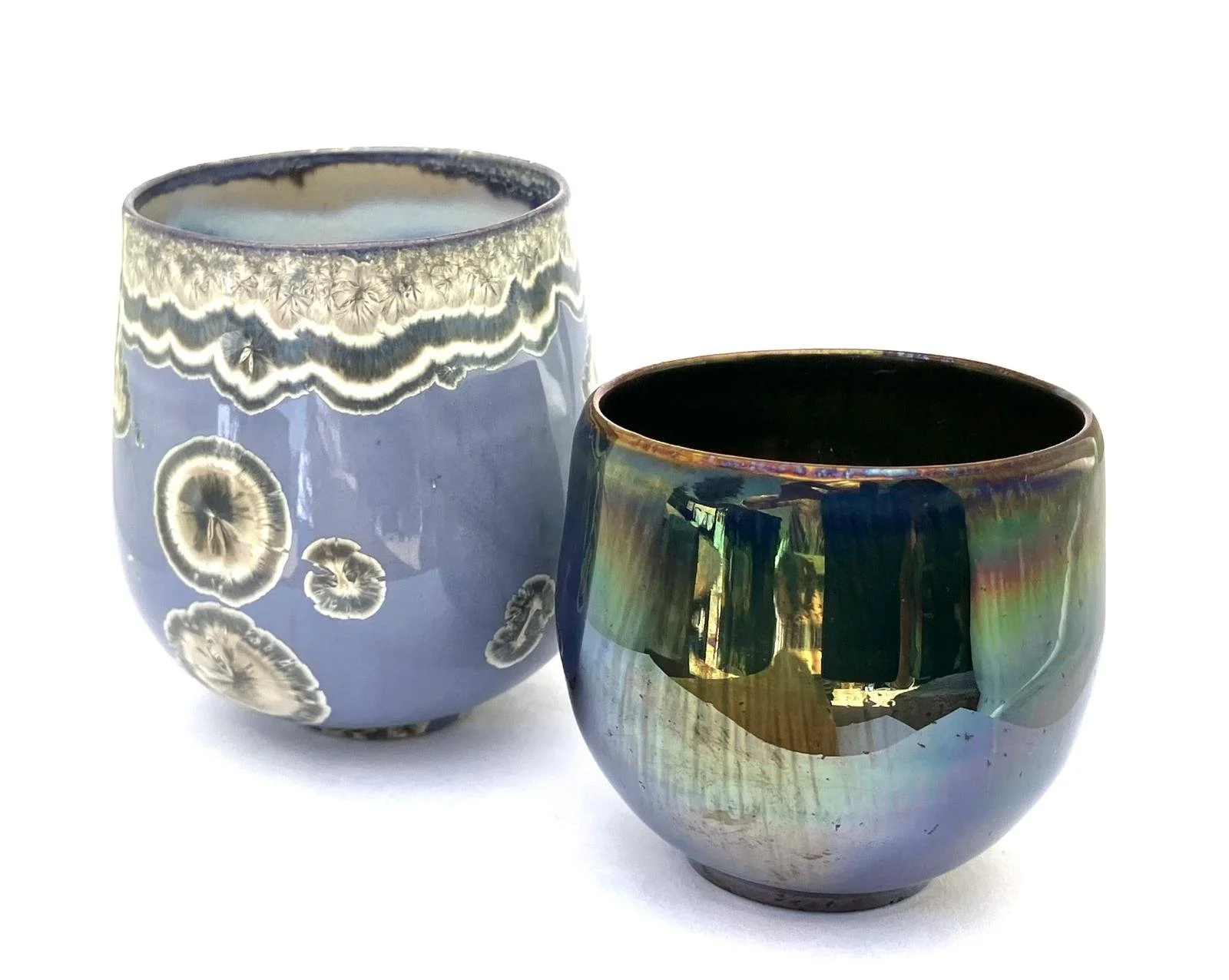 Image 13 of 15
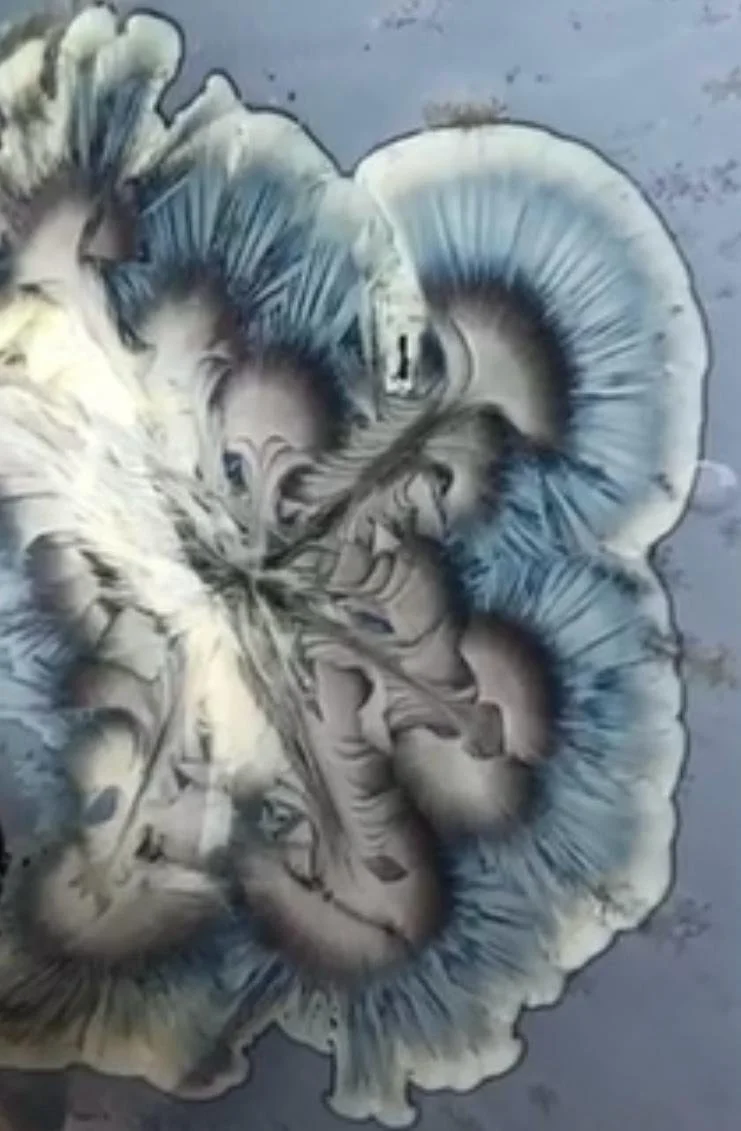 Image 14 of 15
 Image 15 of 15